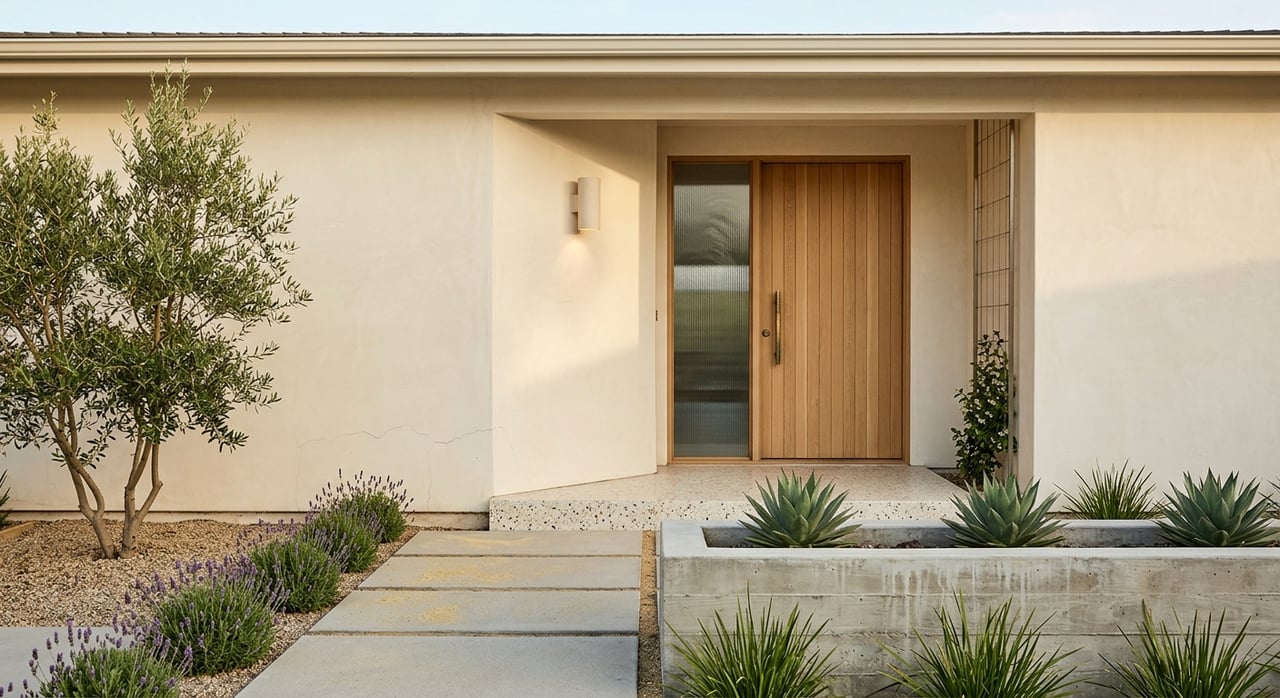
If you own a design-forward home in West Hollywood, you already know it is not a cookie-cutter property. The challenge is that standout design does not automatically translate into a standout sale without the right pricing, presentation, and launch strategy. If you want to protect value and attract serious buyers, it helps to understand how this market responds to architecture, media, and negotiation. Let’s dive in.
West Hollywood design homes stand out
West Hollywood is a dense, urban market where detached homes are relatively limited. According to the city, 64% of residents live in apartments, and four out of five housing units are in large multi-family buildings. That makes a distinctive single-family home feel especially rare in the local inventory.
That scarcity can work in your favor, but only if buyers can quickly understand what makes your home special. West Hollywood also has a strong public identity tied to design, architecture, fashion, art, and culture, especially around the Sunset Strip and Design District. In other words, buyers here often expect thoughtful presentation and a clear point of view.
The city’s planning structure reinforces that design focus. West Hollywood has an Urban Design + Architecture Studio, a Design Review Subcommittee, and more than 80 designated historic and cultural resources across six historic districts. For sellers, that means design carries real weight here, but it also means buyers may look closely at authenticity, condition, and how well the home’s features hold together.
Price for the market, not the memory
A design-forward home often creates emotional attachment. You may love a custom finish, a dramatic built-in, or a major renovation decision that took time and money to get right. But when it is time to sell, the market does not always reward every dollar spent equally.
Appraisal guidance points back to the sales comparison approach. Appraisers typically compare your home’s condition, construction, location, and features with recent sales of similar properties, then adjust for meaningful differences. That means pricing should be built from strong comparable evidence, not just replacement cost or personal value.
Unique homes need stronger pricing discipline
For non-standard homes, uncertainty tends to rise. The Appraisal Institute notes that automated valuation confidence can drop for unique design, high-end custom features, major additions, or other uncommon property traits. In a place like West Hollywood, where a design-led home may sit outside typical patterns, that matters.
A smart pricing strategy separates features that are broadly marketable from features that are highly personal. Buyers may pay more for strong natural light, good scale, indoor-outdoor flow, and a cohesive material palette. They may be less willing to stretch for very specific taste choices that do not clearly improve daily function or resale appeal.
Appraisal risk can affect your deal
Appraised value is not fixed. It is based on sold comparables from the recent past, not the excitement of launch week. If a contract price comes in above appraised value, the buyer may need to bring in more cash, renegotiate, or reconsider the purchase.
That is one reason disciplined pricing matters so much at the start. In a premium sale, you want to create momentum without setting up avoidable appraisal friction later in escrow.
Understand the current West Hollywood pace
This is not a market where you can assume anything will sell instantly just because it looks good. Recent snapshots show an active market, but not a frantic one. Realtor.com reports a median list price of $1.08 million, 53 days on market, and a 97% sale-to-list ratio, while Redfin’s recent three-month snapshot shows a median sale price of about $1.0 million, 86 days on market, and about one offer on average.
That kind of environment rewards preparation. If buyers are taking time to compare options, your home needs to read clearly from day one. Strong design can be an advantage, but only if the pricing and presentation make the value easy to understand.
Staging should clarify the design
For a design-forward West Hollywood home, staging should not compete with the architecture. It should help buyers see the structure, flow, and function of the space. The goal is to make the home feel complete without distracting from what makes it distinct.
Staging research supports that approach. In NAR’s 2025 Profile of Home Staging, 83% of buyers’ agents said staging made it easier for buyers to visualize a property as a future home. Another 49% said staging reduced time on market, and 29% reported staging led to a 1% to 10% increase in the dollar value offered.
What staging should highlight
In a design-led home, staging often works best when it brings attention to features buyers can easily value, such as:
- Sightlines from one room to another
- Natural light at different times of day
- Material continuity across kitchen, living, and outdoor areas
- Scale and usable furniture placement
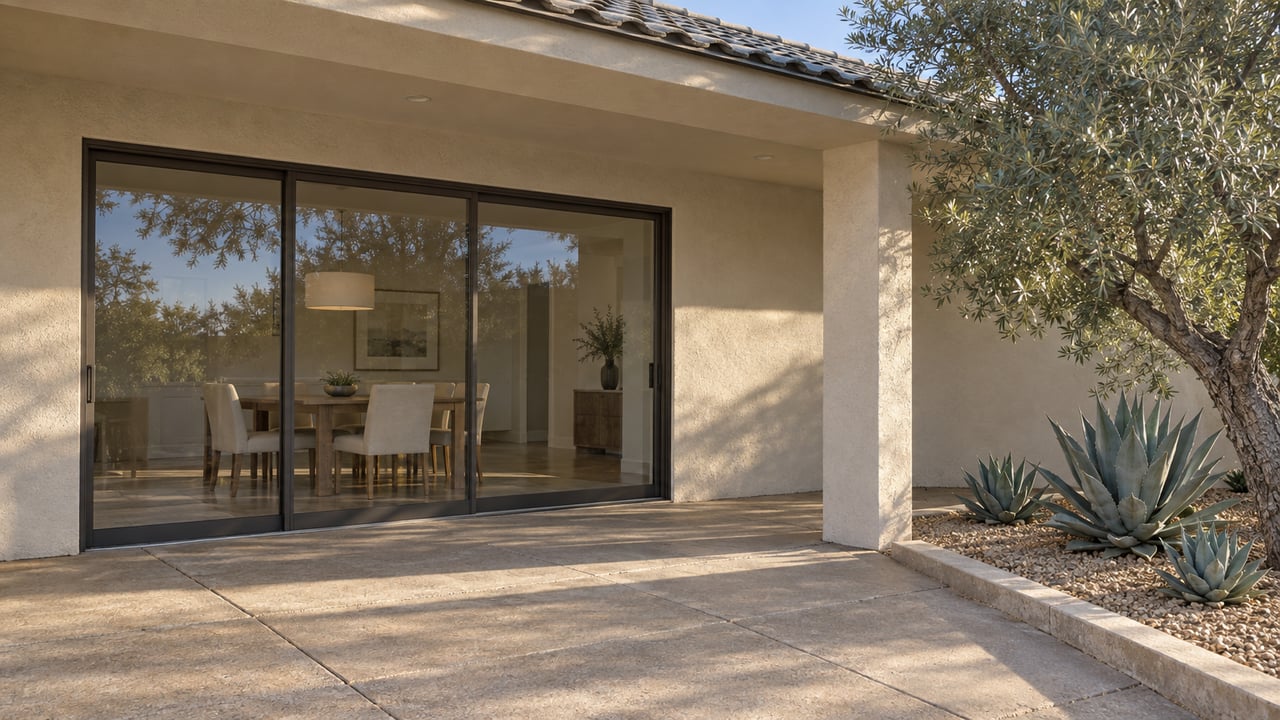
- Indoor-outdoor connection
- Architectural details that define the home’s character
This kind of staging helps translate design into something the market can read quickly. Instead of filling rooms, it gives buyers a cleaner visual path through the home.
Media can shape first impressions
Online presentation is a major part of how buyers decide whether a home is worth seeing in person. NAR reports that 81% of buyers rated listing photos as the most useful feature in their online search. Buyers also commonly use the internet, mobile or tablet search, and online video sites while looking for homes.
For a design-forward property, that matters even more. Homes with strong architecture, custom interiors, or layered spatial details can lose impact if the photography is flat or incomplete. Buyers need enough visual information to understand the home before they ever step through the door.
The right media mix for a premium listing
A thoughtful launch often includes a combination of media that captures both design and livability. Depending on the home, that can mean:
- Professional photography
- Video that shows movement and scale
- 3D or virtual tour experiences
- Floorplans that explain layout clearly
- Drone imagery when the setting or lot benefits from it
NAR describes virtual tours as an interactive way to explore a property and notes that professional production can help maintain a polished image. For a higher-value West Hollywood listing, media should do more than document the home. It should tell a clear visual story.
Pre-sale improvements need a filter
When sellers prepare a design-forward home, it is easy to over-improve. Not every project adds equal value, and some upgrades can create delay without meaningfully improving the sale outcome. Before starting major work, it helps to ask whether the improvement will be visible, understandable, and supported by comparable sales.
That question is especially important in West Hollywood. Because the city’s planning division administers zoning and development applications, and the Design Review Subcommittee focuses on design, sellers considering additions, exterior changes, or permit-heavy prep work should verify requirements before moving forward.
Focus on improvements buyers will recognize
In many cases, the most useful pre-sale work is not the most dramatic. It is the work that removes friction and makes the home present better. That may include refining finishes, addressing deferred maintenance, improving lighting, or simplifying highly personal design choices.
A disciplined prep plan usually aims to do three things:
- Preserve the home’s architectural identity
- Improve visual clarity in photos and showings
- Avoid expensive projects with uncertain payoff
Occupied or tenant-occupied homes need planning
If the home is tenant-occupied, timing and access deserve extra attention. West Hollywood states that landlords may not terminate tenancies solely to sell a property vacant. The city also says that when entry is for showing a rental dwelling to prospective buyers, oral notice may be given at least 24 hours in advance after written notice within 120 days that the property is for sale.
This can affect how you plan photography, staging, repairs, and tours. A tenant-occupied design property may still sell well, but the process often requires earlier coordination and clearer sequencing.
Construction can trigger local requirements
If you are considering pre-sale construction on an occupied rental property, West Hollywood may require a Tenant Habitability Plan for work that makes a unit uninhabitable or for certain seismic-strengthening work. That is another reason to create the prep strategy early instead of making rushed decisions right before launch.
The best offer is not always the highest number
When offers come in, headline price matters, but so do the terms behind it. NAR reports that all-cash purchases reached 26% over the last year, and the median down payment among all buyers was 19%. In a design-forward sale, that means buyer strength can vary widely.
A strong offer often combines price with lower execution risk. If your home is unique and there is any chance of appraisal complexity, financing structure matters. The cleanest path to close may come from the buyer who looks strongest on paper, not just the one with the boldest opening number.
What to compare in an offer
When reviewing offers, it helps to look at the full picture:
- Financing strength
- Down payment size
- Appraisal exposure
- Inspection and other contingencies
- Timing and certainty of close
- Any concessions or unusual terms
This is where expert negotiation can directly protect your net result. The goal is not only to accept a good offer, but to choose the one most likely to hold together through closing.
Sequence creates leverage
For many West Hollywood sellers, the best strategy is not one big move. It is a sequence of smart ones. Prepare the home so it reads well on camera, price from real comparable evidence, launch with polished media, and negotiate with discipline.
That process matters because design-forward homes ask buyers to make a more thoughtful decision. When your presentation is clear and your pricing is credible, you reduce hesitation and improve the odds of attracting serious, qualified interest.
If you are preparing to sell a design-forward West Hollywood home, working with a strategy that combines market evidence, premium presentation, and sharp negotiation can make a real difference. To plan your next move with a concierge-level approach, connect with Chris Reisbeck.
FAQs
How should you price a design-forward home in West Hollywood?
- You should price it using the strongest comparable sales evidence available, with careful adjustments for condition, location, size, and features rather than relying on replacement cost or personal attachment to custom design choices.
Does staging matter for a West Hollywood design home sale?
- Yes. Staging can help buyers understand sightlines, light, scale, and flow, and NAR research found that staging often helps buyers visualize the home, can reduce time on market, and may improve the value offered.
What marketing works best for a design-forward listing in West Hollywood?
- Professional listing photos are essential, and premium listings often benefit from video, virtual tours, floorplans, and drone imagery when those tools help explain the home’s layout, setting, and architectural character.
Can a unique home face appraisal issues in West Hollywood?
- Yes. Unique design and uncommon features can make valuation less predictable because appraisals depend on recent comparable sales, and that can create renegotiation pressure if the appraised value comes in below the contract price.
What should you know before selling a tenant-occupied property in West Hollywood?
- You should plan carefully around local rules because West Hollywood says landlords may not terminate tenancies solely to sell a property vacant, and there are specific notice rules for showing rental dwellings to prospective buyers.
Should you renovate before listing a West Hollywood home?
- Sometimes, but not always. The best pre-sale improvements are usually the ones that improve presentation, reduce buyer friction, and are easy for the market to recognize, while major permit-heavy work should be reviewed carefully before you invest.