If you are considering Los Feliz, you are probably looking for more than just a place to sleep. You want a neighborhood with real character, daily convenience, and a setting that feels distinctly Los Angeles without being generic. Los Feliz delivers that mix through historic housing, a walkable village core, and immediate access to Griffith Park. Let’s dive in.
Los Feliz at a Glance
Los Feliz has a rhythm that feels more neighborhood-based than sprawling. Much of that comes from Los Feliz Village, where more than 300 merchants are concentrated along Vermont and Hillhurst, with portions of Hollywood Boulevard, Los Feliz Boulevard, and Sunset Drive also part of the district.
In daily life, that means your coffee run, dinner plans, quick errands, and casual meetups often happen along the same few corridors. Instead of feeling spread out, Los Feliz tends to feel centered around a lived-in commercial core that supports an easy routine.
That village feel is not new. City planning context shows this area developed as a neighborhood commercial district in the 1920s, and by 1950 it already included markets, theaters, drug stores, restaurants, bakeries, and other everyday services. That history still shapes how the neighborhood functions today.
Walkability Shapes Daily Life
One of the biggest reasons people are drawn to Los Feliz is how easy it can feel to explore on foot. The neighborhood’s most active stretches are tied to street-facing retail, cafés, restaurants, and service businesses rather than a single enclosed destination.
That creates a more natural kind of street life. You are not just driving in for one stop and leaving. You are more likely to combine errands with coffee, dinner, or a walk through the neighborhood, which gives Los Feliz a layered and lived-in feel.
Vermont and Hillhurst Energy
The Vermont and Hillhurst corridors are the heart of that experience. These streets hold much of the neighborhood’s activity and give Los Feliz its pedestrian-oriented identity.
If you like being near cafés, restaurants, boutiques, and routine services, this part of the neighborhood often feels the most connected. It is the area where day-to-day convenience and local character come together most clearly.
Housing Has Real Architectural Character
Los Feliz stands out for its historic residential architecture. In the Los Feliz Heights Residential Historic District, city planning describes a cohesive collection of 317 Period Revival homes set along curving hillside streets with irregular lots and mature trees.
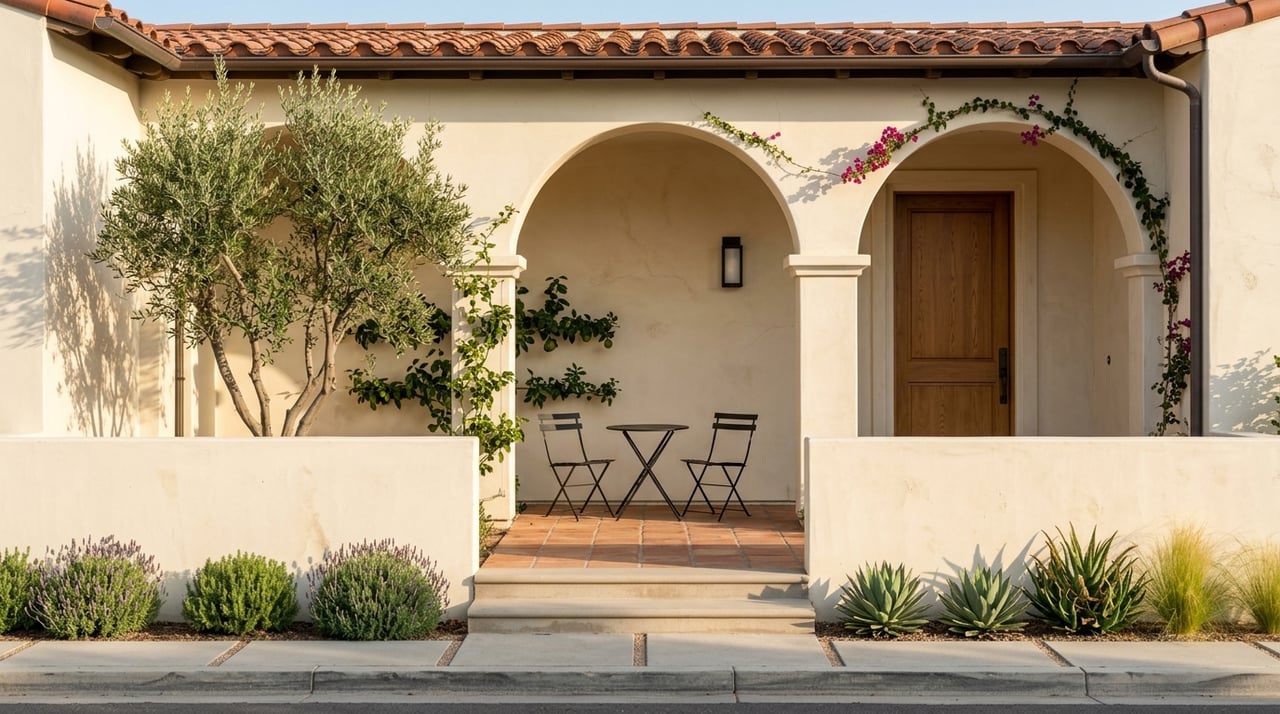
Architectural styles in that district include American Colonial, Spanish Colonial, Mediterranean, and Tudor Revival. The area also includes work by major Los Angeles architects such as Paul R. Williams, Gordon Kaufmann, Wallace Neff, and Morgan Walls & Clements.
For buyers, that means housing in Los Feliz can feel visually distinctive from block to block. You are not just shopping for square footage. You are often choosing between setting, architectural style, lot shape, street pattern, and the level of historic detail a home retains.
It Is Not Only Single-Family Homes
Los Feliz also includes a substantial multi-family housing stock. City planning identifies the Los Feliz Boulevard Multi-Family Residential Historic District as including about 115 apartment houses, courtyard apartments, and garden apartments built between 1920 and 1969.
Those properties span styles from Spanish Colonial Revival to Mid-Century Modern and Minimal Traditional. As a result, Los Feliz offers a wider housing mix than some buyers expect, especially along Los Feliz Boulevard where the apartment-and-streetcar-era pattern is more visible.
Historic Status Can Affect Renovation Plans
If you are buying a home for its character, it is also important to understand the practical side of that decision. In Los Angeles local historic districts, exterior work, additions, landscaping, and similar changes are subject to additional city review.
That does not mean improvements are impossible. It does mean your renovation plans, design choices, and timeline may need more attention than they would in a non-designated area. For buyers considering a historic property, that is an important part of due diligence.
Griffith Park Is a Major Lifestyle Benefit
For many residents, Griffith Park is one of Los Feliz’s biggest advantages. The park spans more than 4,210 acres and includes hiking and horseback riding trails, picnic areas, sports fields, dog parks, pools, playgrounds, the Griffith Observatory, the Greek Theatre, and the Los Angeles Zoo.
That scale matters in everyday life. Living near Los Feliz can make outdoor time feel less like a weekend production and more like part of your normal routine.
Outdoor Access Feels Close By
Depending on where you live in Los Feliz, park access can shape your week in a very real way. A quick hike, an evening outing, or time at one of the park’s attractions can be much easier to fit into your schedule when it is nearby.
For buyers who want a neighborhood with both urban energy and outdoor access, Los Feliz offers a combination that is hard to replicate. The connection between housing, village streets, and major parkland is part of what gives the area its lasting appeal.
Transit Adds Flexibility
Los Feliz is not just about driving. Transit options add flexibility, especially for reaching Griffith Park and connecting to the wider city.
The DASH Observatory service connects at the Sunset/Vermont Metro station and stops through Los Feliz Village, the Greek Theatre, the Mt Hollywood hiking trail, and the Griffith Observatory. The Vermont/Sunset station also provides access to the Metro B Line and local bus service.
For some residents, that can make car-free outings more realistic. Even if you still drive most of the time, having transit connections nearby can add convenience to everyday planning.
Different Parts of Los Feliz Feel Different
Los Feliz is not one-note. Based on the neighborhood’s historic development pattern, housing mix, and access points, different pockets support different ways of living.
Village Core Living
The Vermont and Hillhurst core tends to be the most pedestrian-oriented and activity-rich. If your ideal routine includes walking to coffee, dining, and neighborhood services, this area may feel especially appealing.
Los Feliz Boulevard Living
Los Feliz Boulevard has a denser, apartment-and-streetcar-era feel. It can offer a different kind of urban texture, with more multi-family housing and a stronger connection to the neighborhood’s early twentieth-century development pattern.
Hillside Living
The hillside streets above Los Feliz Boulevard trade some convenience for topography, views, and more immediate access to parkland. If you are drawn to winding streets, mature trees, and a more elevated residential setting, these areas may feel especially compelling.
Who Los Feliz Often Appeals To
Los Feliz tends to attract people who want a neighborhood with visible history, daily walkability in key pockets, and strong access to outdoor space. It can work well if you value architecture, like the idea of a village-style commercial core, or want a home base that feels connected to both city life and Griffith Park.
It may be especially appealing if you are choosing between very different lifestyle priorities and do not want to give up all of one for the other. In Los Feliz, you can often find a balance between convenience, character, and open space.
What to Consider Before You Move
Before making a move, it helps to think about how you actually want to live day to day. Los Feliz offers several distinct living patterns, so the right fit often depends on your routine more than on the neighborhood name alone.
Ask yourself:
- Do you want to walk to cafés, restaurants, and errands regularly?
- Are you drawn to historic architecture and willing to navigate added review for exterior changes in some areas?
- Would you use Griffith Park often enough for nearby access to matter?
- Do you prefer denser boulevard living or quieter hillside streets?
Those questions can help narrow your search and keep your priorities clear.
If you are weighing a move to Los Feliz or comparing its micro-locations, working with the right strategy matters. Chris Reisbeck offers thoughtful buyer guidance, competitive offer strategy, and concierge-level support to help you navigate distinctive neighborhoods and make a confident move.
FAQs
What is daily life like in Los Feliz?
- Daily life in Los Feliz often centers around the village core along Vermont and Hillhurst, where cafés, dining, shops, and services create a more walkable neighborhood routine.
What kinds of homes are in Los Feliz?
- Los Feliz includes historic single-family homes, apartment houses, courtyard apartments, and garden apartments, with architectural styles ranging from Spanish Colonial Revival to Mid-Century Modern.
Is Los Feliz good for people who like walking?
- Some parts of Los Feliz are especially pedestrian-oriented, particularly around Vermont and Hillhurst where many everyday destinations are clustered.
How close is Griffith Park to Los Feliz?
- Griffith Park borders the neighborhood and offers extensive amenities, including trails, picnic areas, sports fields, playgrounds, the Griffith Observatory, the Greek Theatre, and the Los Angeles Zoo.
Should buyers know about historic district rules in Los Feliz?
- Yes, in local historic districts, exterior work, additions, landscaping, and similar changes may require additional city review, which can affect renovation planning and timelines.