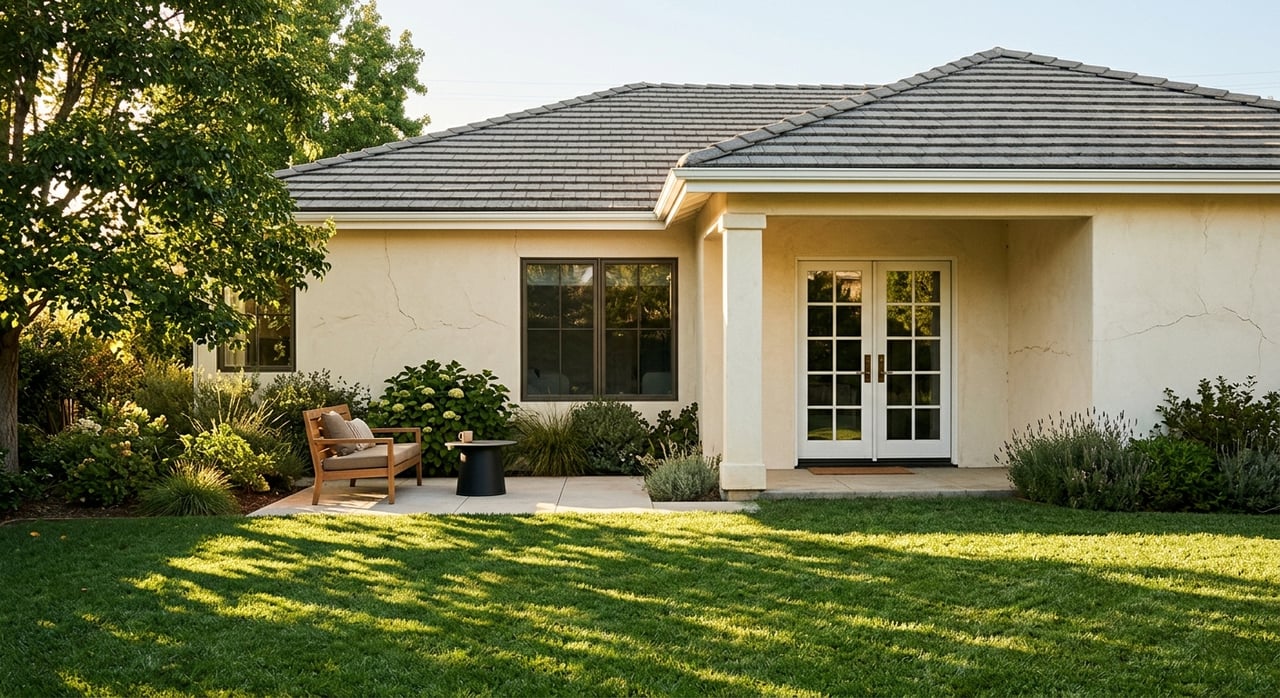
Looking for more space without giving up Eastside character? Highland Park stands out for buyers who want a detached-home feel, architectural charm, and easier access to parks, transit, and neighborhood business corridors. If you are moving up from a smaller condo, townhouse, or tighter urban setup, this guide will help you understand why Highland Park keeps landing on the shortlist. Let’s dive in.
Why Highland Park Fits Move-Up Buyers
Highland Park sits within the Northeast Los Angeles Community Plan Area, and local planning materials describe it as part of a broader cluster of overlapping neighborhoods rather than a perfectly fixed district. Communities such as Garvanza, Hermon, Montecito Heights, and Mount Angelus are often discussed in relation to Highland Park, while the Historic Highland Park Neighborhood Council says it represents about 65,000 residents. According to Los Angeles City Planning, that layered identity is part of what gives the area its depth.
For move-up buyers, the appeal is practical as much as visual. Highland Park reads more like a historic residential district with a walkable commercial spine than a dense condo corridor. That matters if you want the possibility of more breathing room while staying connected to the Eastside.
Housing Style Has Real Variety
One of Highland Park’s biggest strengths is that it is not a one-style neighborhood. The Highland Park-Garvanza Preservation Plan identifies a wide range of architecture, including Craftsman, Colonial Revival, American Foursquare, Victorian, Spanish Mission Revival, Moderne, Mid-Century Modern, Ranch, and dingbat forms. City Planning also highlights Queen Anne, Shingle, Mission Revival, and Tudor Revival styles in the district.
That mix creates a more eclectic streetscape than many buyers expect. You may see a block with bungalow porches and mature trees, then turn onto a stretch with Victorian cottages or later-era homes. For a move-up buyer, that variety can mean more options when you want both character and a layout that better fits your next stage.
Why Detached Homes Matter Here
If you are moving up because you need more room, Highland Park deserves a close look. Based on official preservation and planning documents, it is fair to say the neighborhood offers a stronger pattern of single-family housing, detached homes, front porches, and yard-oriented living than denser apartment-heavy Eastside areas. That is an inference from the area’s housing stock and preservation framework, not a guarantee on every block.
The neighborhood’s preservation story supports that pattern. The LA Conservancy’s overview of HPOZs explains that these overlay zones primarily protect single-family residential neighborhoods, and the City describes Highland Park-Garvanza as the largest HPOZ in Los Angeles, with about 4,000 structures. It was also the first HPOZ in the city to include commercial buildings, which helps explain the mix of residential character and walkable business corridors.
Historic Character Shapes Daily Life
Highland Park was annexed to the City of Los Angeles in 1895, and its built environment reflects late-19th-century and early-20th-century growth rather than one uniform postwar subdivision pattern. In plain terms, that often shows up as layered architecture, older street grids, and homes with details that are harder to find in newer construction. For buyers who want a place that feels established, this is a real part of the draw.
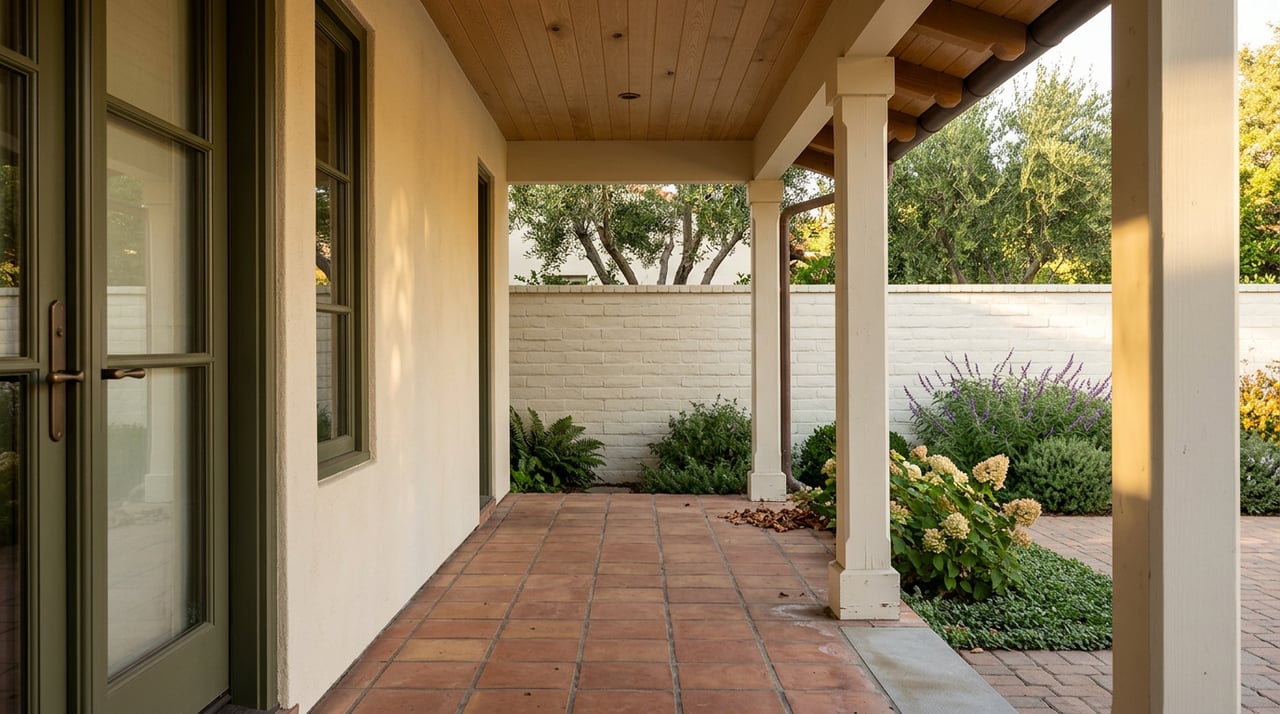
The preservation plan also notes that many Craftsman homes in the area were designed with porches, shade, and cross-ventilation in mind. That helps explain why so many homes here feel connected to the outdoors. If your move-up wish list includes better indoor-outdoor flow, Highland Park’s older housing stock can line up surprisingly well with that goal.
Parks Add Everyday Flexibility
Space is not just about square footage inside the house. Highland Park also benefits from a network of public spaces and local landmarks that support a more flexible lifestyle. The Historic Highland Park Neighborhood Council highlights resources such as Sycamore Grove Park, Debs Park, Ramona Hall, the Charles Lummis Home and Gardens, and Occidental College on its community overview page.
For many buyers, nearby green space makes a bigger difference than expected. The City lists Ernest E. Debs Regional Park as offering barbecue pits, picnic tables, a bike path, a hiking trail, and a pond. That kind of access can make Highland Park feel more livable if you want room to reset, get outside, or host friends and family without leaving the neighborhood.
Walkability Centers on York and Figueroa
Highland Park’s neighborhood life is concentrated along York Boulevard and North Figueroa. Discover Los Angeles describes nightlife and social activity as clustered in walkable business nodes along York and the perpendicular Figueroa corridor. The North Figueroa Association also identifies North Figueroa as the neighborhood’s first commercial corridor, with independent galleries, small businesses, cafes, restaurants, and entertainment spaces.
That setup can work especially well for move-up buyers who want a residential home base without feeling isolated. You can prioritize a quieter residential street while still keeping dining and daily activity within reach. It is a balance many Eastside buyers are looking for when they move beyond a smaller starter property.
Transit Still Supports the Lifestyle
Highland Park is not transit-only, but it is clearly transit-capable. Metro’s current schedule lists Highland Park Station on the A Line, with connections to Metro Local 81 and 182, LADOT DASH HighlandPark/Eagle Rock, and Pasadena Transit 33. Metro also notes that the Highland Park/Eagle Rock/Glendale Metro Micro zone is active, adding another mobility option for local trips. You can review those service details on Metro’s A Line schedule and connection guide.
For buyers trying to balance driving, occasional rail use, and neighborhood convenience, that flexibility matters. You may not want to depend on transit for every errand, but having it available can make daily life easier and broaden your search area with more confidence.
Micro-Pockets to Know
Highland Park is not one uniform experience. If you are searching here as a move-up buyer, it helps to think in terms of micro-pockets instead of a single neighborhood label.
Garvanza
Garvanza is the northern section of Highland Park and has a notably historic residential fabric. A City Clerk planning report documents its expansion into the Highland Park-Garvanza HPOZ. If historic housing character is high on your list, this is one area worth watching closely.
York and Figueroa Corridor
This is the most walkable, mixed-use, and dining-oriented spine in Highland Park. If you want easier access to cafes, restaurants, and neighborhood activity, the blocks near these corridors may feel especially convenient. The tradeoff, depending on the exact location, can be a more active street environment.
Station-Adjacent Blocks
The blocks around Highland Park Station can appeal to buyers who want stronger transit access and a slightly more urban feel. If your routine includes rail trips or multimodal commuting, this pocket may offer practical benefits. It can be a smart fit if convenience matters as much as square footage.
Interior Residential Streets
Interior streets and arroyo-adjacent edges best support the quieter-block, porch, and yard-oriented story. This is an inference from the preservation plan and neighborhood form, not an official subdistrict name. Still, it is a useful lens if your top priorities are detached-home feel and more day-to-day calm.
What to Watch Before You Buy
Highland Park’s character is a major advantage, but it also comes with some planning considerations. In HPOZ areas, exterior work such as additions, landscaping, and new construction may be subject to additional review for compatibility with historic character, according to the LA Conservancy. If you are hoping to remodel right away, that is an important detail to understand early.
This does not mean a home is not a strong fit. It simply means your purchase strategy should match your goals. If you are weighing layout, lot use, long-term updates, and competitive offer terms at the same time, a clear neighborhood-by-neighborhood plan can help you avoid expensive surprises.
Is Highland Park the Right Move-Up Choice?
For many Eastside buyers, the answer is yes. Highland Park offers a compelling mix of detached-home patterns, historic architecture, walkable commercial corridors, local parks, and real transit access. If you want more space but still care about neighborhood identity and day-to-day convenience, it checks a lot of boxes.
The key is knowing which pocket best fits the way you live now and where you want more room next. If you are considering Highland Park as your move-up destination, Chris Reisbeck can help you evaluate the right blocks, navigate competition, and build a smart strategy around your goals.
FAQs
What kinds of homes are common in Highland Park for move-up buyers?
- Highland Park is known for Craftsman bungalows, along with Queen Anne, Shingle, Mission Revival, Tudor Revival, Colonial Revival, and other revival-era homes documented by Los Angeles planning materials.
Is Highland Park a good choice if you want more space on the Eastside?
- In a relative sense, yes. Based on planning and preservation documents, Highland Park has a stronger pattern of single-family and detached-home living than denser Eastside areas, though that will vary by block and property.
What should buyers know about Highland Park historic rules?
- In HPOZ areas, some exterior changes such as additions, landscaping, and new construction may require additional review to ensure compatibility with historic character.
How walkable is Highland Park for daily errands and dining?
- Neighborhood activity is most concentrated along York Boulevard and North Figueroa, where local business corridors create the most walkable mix of dining, retail, and social activity.
Does Highland Park offer good transit for Los Angeles buyers?
- Yes. Highland Park Station is on the A Line and connects with local bus service, DASH, Pasadena Transit, and Metro Micro, which gives buyers several transportation options.
Which part of Highland Park feels best for a quieter residential setting?
- Interior residential streets and arroyo-adjacent edges are generally the best fit for buyers seeking a quieter detached-home feel, though this is a market-based inference rather than an official subdistrict label.