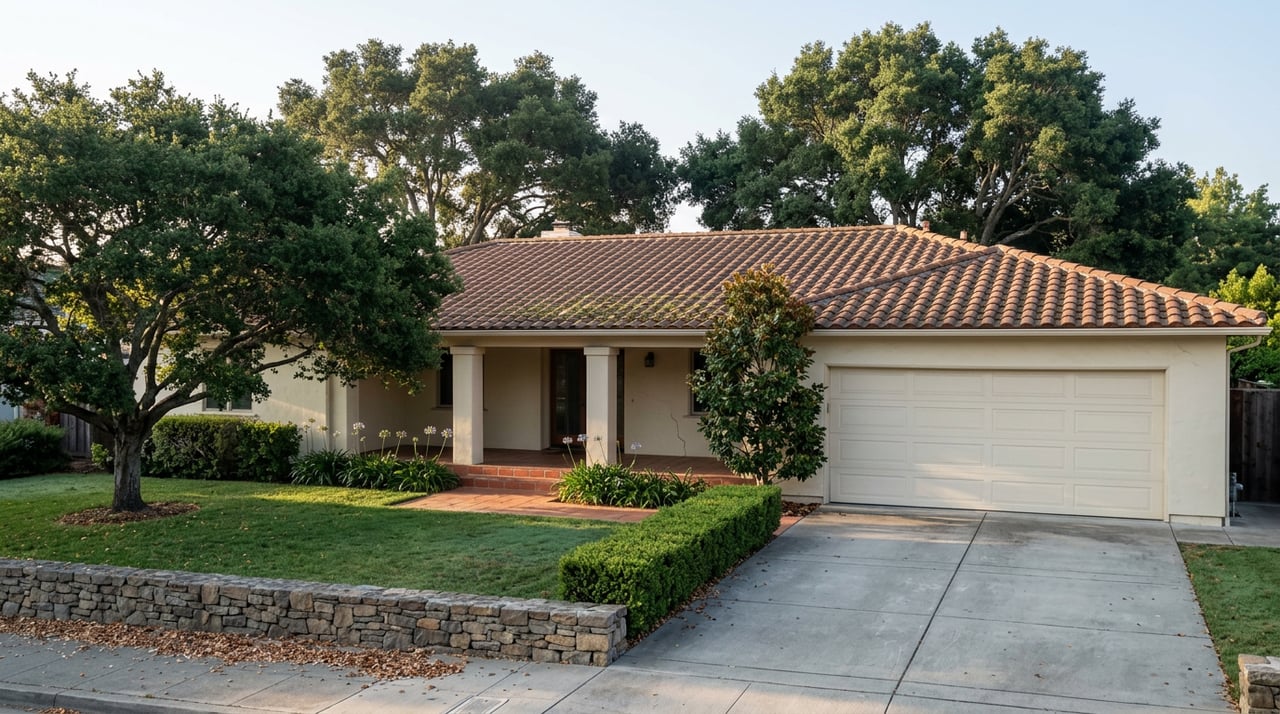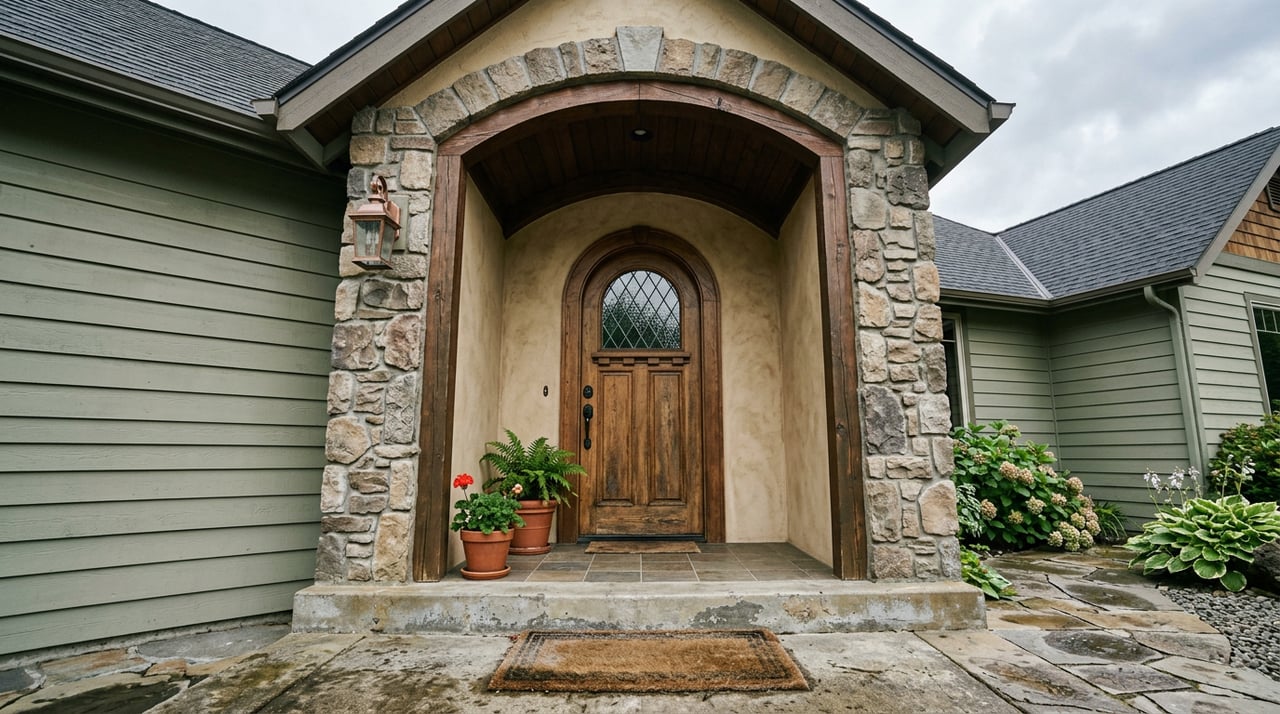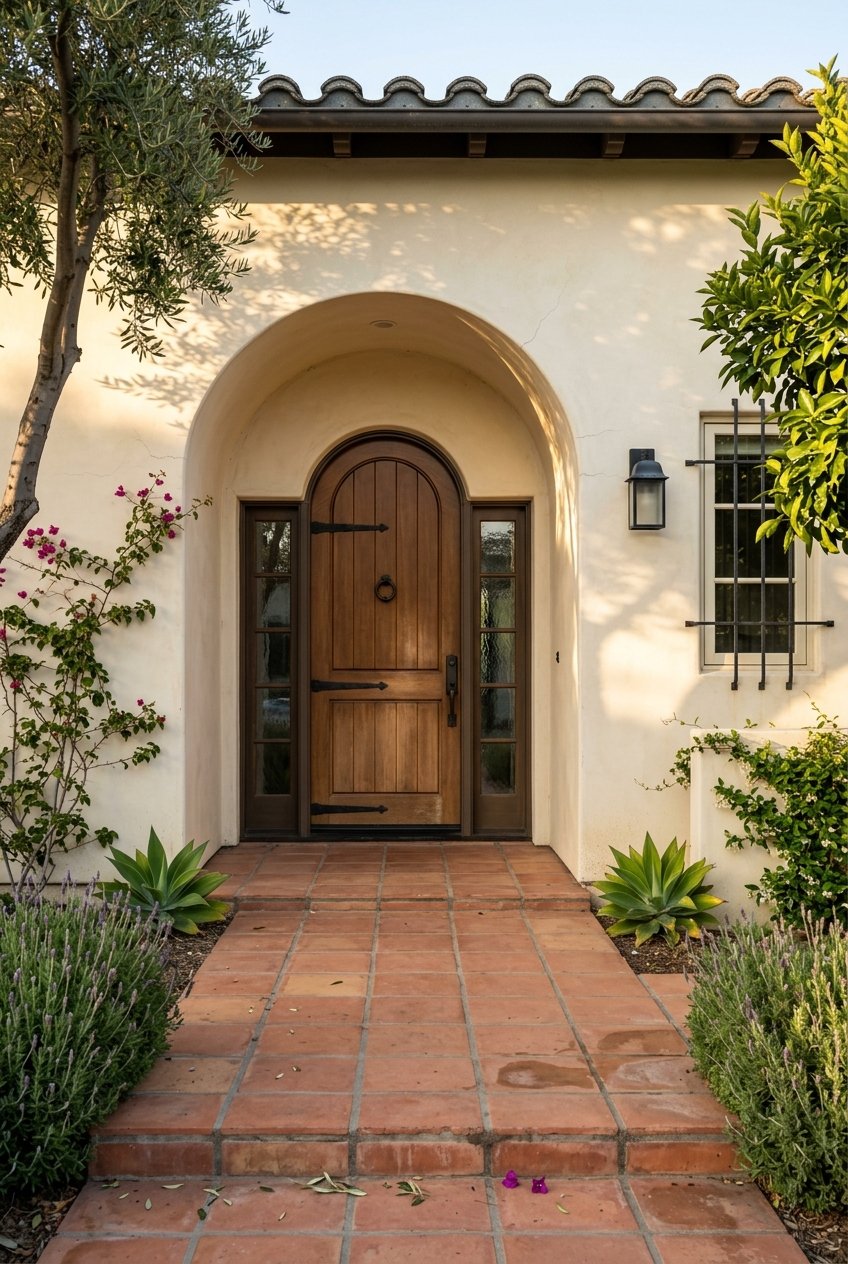
Buying a character home in Los Feliz can feel like finding the best of both worlds: architectural charm, rich design details, and a home that stands apart from newer construction. But the same features that make these properties special can also create more questions during your search. If you want to buy with confidence, you need to look beyond curb appeal and understand the lot, the permit history, and any historic review that may affect your plans. Let’s dive in.
Why Los Feliz character homes are different
Los Feliz is not a one-note neighborhood. Within the area, you will find a mix of architectural styles and property conditions, including American Colonial, Spanish Colonial, Mediterranean, Tudor Revival, and notable Mid-Century Modern homes identified by City Planning through SurveyLA.
One of the clearest examples is the Los Feliz Heights Residential Historic District, which SurveyLA describes as a highly intact collection of Period Revival homes from the 1920s through the 1940s. The district includes roughly 317 properties, with about 232 identified as contributors. That matters because a home’s historic context can directly affect what changes may be reviewed or limited.
For you as a buyer, the main takeaway is simple: Los Feliz should be evaluated property by property. You cannot assume two homes on the same street have the same flexibility for renovation, additions, or exterior updates.
Check historic status early
Before you fall in love with a remodel plan, verify the home’s status through the City’s tools. City Planning directs buyers to use ZIMAS and HistoricPlacesLA to confirm whether a specific property is a Historic-Cultural Monument, a contributor in a historic district, or another surveyed historic resource.
This is one of the first due diligence steps worth taking in Los Feliz. A home that looks similar to its neighbors may have a very different review path if it sits within a local historic district or carries another recognized designation.
Understand what historic review can mean
If the property is in a Local Historic District or HPOZ, exterior work gets an added layer of review. According to City Planning, that review can include not just major construction but also landscaping and paint.
Some projects may qualify for administrative clearance, including certain maintenance, rehabilitation, repair, and restoration work. Larger additions, demolition, or removal of historic features generally require entitlement review. Work completed without required HPOZ review may lead to code enforcement action and fines.
Historic review can also apply outside an HPOZ setting. City Planning states that projects affecting Los Angeles Historic-Cultural Monuments and properties listed or eligible for the National Register or California Register are reviewed for conformance with the Secretary of the Interior’s Standards.
There can be opportunities too. The City notes that the California Historical Building Code may offer alternative code paths for qualified historic buildings when they are repaired, altered, added to, relocated, or kept in use.
Hillside lots need deeper diligence
Many Los Feliz homes sit on or near hillside terrain, and that changes the inspection conversation. LADBS states that grading permits are required for grading and earthwork in hillside areas, and soils or geology reports are typically required to evaluate conditions such as slope instability, earthquake-induced landslides, and liquefaction.
City Planning also publishes single-family hillside standards for the Oaks of Los Feliz. Even if you are not buying in that specific area, it is a reminder that some Los Feliz properties come with extra site-review requirements beyond what you might expect on a flat lot.
For hillside homes, the most important questions often involve what you cannot easily see. You want to know how the site handles drainage, whether there has been prior grading or fill, and whether foundations or retaining features have been properly reviewed and documented.
Focus inspections on site and structure
A general home inspection is important, but it should not be your only layer of diligence on a Los Feliz character home. In hillside areas especially, LADBS’s grading oversight points buyers toward closer scrutiny of soils, foundations, excavations, and fills.
That means your inspection strategy should match the lot and the house. If the home is on a slope, your due diligence may need to go beyond cosmetic condition and into geotechnical issues that could affect stability, repairs, or future improvements.
It is also smart to connect inspection findings with your renovation goals. A home may feel move-in ready today, but if your plan includes opening walls, redoing finishes, or changing exterior features, your real costs and approvals may look very different.
Older materials can affect renovation plans
Many Los Feliz character homes retain original finishes or older materials. That can be part of the appeal, but it also means you should think carefully about what may be disturbed during future work.
EPA guidance notes that older homes are more likely to contain lead-based paint, and renovation work in pre-1978 homes should be handled by lead-safe certified contractors. EPA also states that asbestos cannot be identified by sight, and if material that may contain asbestos will be disturbed, it should be sampled by a properly trained and accredited asbestos professional.
For buyers, the practical issue is not only the current appearance of the home. It is whether a planned kitchen update, floor replacement, wall removal, or exterior repair could trigger additional testing, specialized handling, or a different construction scope.
Review permits before you remove contingencies
Permit history is one of the most useful tools you have when buying a character home in Los Feliz. LADBS provides online building records along with permit and inspection reports, while City Planning directs buyers to use ZIMAS and HistoricPlacesLA for historic-status checks.
This helps you separate a thoughtful, permitted renovation from work that may still need correction or further documentation. In older homes, that distinction matters because visible updates do not always tell the full story.
A polished kitchen or reworked primary suite may look great in photos, but you still want to know when the work was done, whether permits were pulled, and whether final sign-offs were completed. That paperwork can influence your comfort level today and your resale position later.
Ask for the right documents
When you are serious about a Los Feliz character home, your document request should be specific. A stronger due diligence package can include:
- Permit history and inspection records
- Prior inspection reports, if available
- Any HCM, HPOZ, or SurveyLA documentation
- Mills Act paperwork, if applicable
- Contractor invoices for major updates or systems work
This is not about rejecting every older detail or every remodel. It is about understanding which changes were cosmetic, which were properly documented, and which could affect your future plans.
Know how Mills Act status affects ownership
If a home has a Mills Act contract, that can be relevant to your underwriting and ownership planning. The City states that Mills Act contracts transfer to new owners when a property is sold, and participants are required to maintain the historic character of the property.
That makes existing Mills Act status worth reviewing before you close. It is also important not to assume you can apply after the purchase, because the City’s current application page says new Mills Act applications are temporarily on hold.
In other words, if a property already has a Mills Act contract, you should understand what transfers with it. If it does not, you should not build your budget around getting one later unless the City’s program status changes.
Read hazard disclosures carefully
California’s Natural Hazard Disclosure Act makes seller disclosures especially important when a property sits in a state-mapped hazard area. In Los Feliz, where topography can vary block by block, that disclosure packet deserves careful review.
This is not paperwork to skim at the end of escrow. It can give you valuable context about mapped hazards and help you ask better follow-up questions during your contingency period.
Build a smart offer strategy
Character homes in Los Feliz often attract buyers who care deeply about architecture and setting. That emotional pull is real, but your offer should still protect your downside.
A smart offer structure may include contingencies tied to physical inspection, permit review, historic-status verification, and geotechnical review if the lot is hillside. The goal is not to make the process harder. The goal is to stay competitive while making informed decisions with the right facts in hand.
This is where strong buyer representation can make a real difference. In a competitive setting, you want a clear plan for what to investigate first, what documents to request immediately, and where the real risks may sit beneath the surface.
Buy the charm, verify the systems
The best Los Feliz character homes offer more than style. They offer a combination of design, livability, and long-term value when the original character has been respected and the less visible systems have been properly modernized and documented.
That is the mindset to bring into your search. You are not only buying a beautiful façade or a memorable living room. You are also buying a maintenance profile, a permit trail, and sometimes a preservation framework that will shape what comes next.
If you are considering a character home in Los Feliz, working with an agent who knows how to structure a competitive offer and guide a disciplined due diligence process can help you move forward with more confidence. When you’re ready to talk strategy, connect with Chris Reisbeck.
FAQs
What makes a Los Feliz character home different from a standard home purchase?
- A Los Feliz character home may involve added review around historic status, permit history, older materials, and hillside conditions, so the due diligence process is often more detailed.
How can you check historic status for a Los Feliz home?
- City Planning directs buyers to verify a specific address in ZIMAS and HistoricPlacesLA to see whether the property is a Historic-Cultural Monument, a district contributor, or another surveyed historic resource.
Why do hillside Los Feliz homes need extra inspection?
- LADBS states that hillside grading and earthwork often require permits and soils or geology reports, which signals the importance of reviewing slope stability, foundations, excavations, fills, and related site conditions.
What should you review before renovating a pre-1978 Los Feliz home?
- EPA guidance says older homes are more likely to contain lead-based paint, and materials that may contain asbestos should be evaluated by a properly trained and accredited professional if renovation could disturb them.
Does an HPOZ affect exterior changes to a Los Feliz property?
- Yes. City Planning says exterior work in a Local Historic District or HPOZ is subject to additional review, and that can include landscaping, paint, and larger changes such as additions or removal of historic features.
What documents should you request when buying a character home in Los Feliz?
- A strong request package can include permit history, inspection records, prior reports, historic documentation, Mills Act paperwork if applicable, and contractor invoices for major work.
Can a Mills Act contract transfer when you buy a Los Feliz historic home?
- Yes. The City says Mills Act contracts transfer to new owners when a property is sold, and the owner must maintain the home’s historic character under the contract terms.