Pasadena is famous for Craftsman homes, but that is only part of the story. If you are buying, selling, or simply trying to understand what gives this market its character, it helps to look beyond the city’s best-known style. Pasadena’s architecture shapes value, renovation choices, and even how quickly a home captures attention in a very competitive market. Let’s dive in.
Why Pasadena home styles matter
Pasadena is widely regarded by the city as a center of architecture in Southern California. Many neighborhoods are already designated as landmark or historic districts, and the city’s 1920s building boom and postwar development left behind an unusually broad mix of home styles.
That variety matters in today’s market. In spring 2026, Pasadena home values sit around the low $1.2 million range, with Redfin reporting a March 2026 median sale price of $1,253,000 and Zillow reporting an average home value of $1,215,642. Zillow also reported homes going pending in about 16 days, while Redfin described the market as very competitive.
In a market like this, architecture can influence price as much as bedroom count or square footage. The city notes that architectural significance may come from design quality, a notable architect, or a home’s contribution to its surroundings. That helps explain why two similar-sized homes can perform very differently.
Spanish Colonial Revival in Pasadena
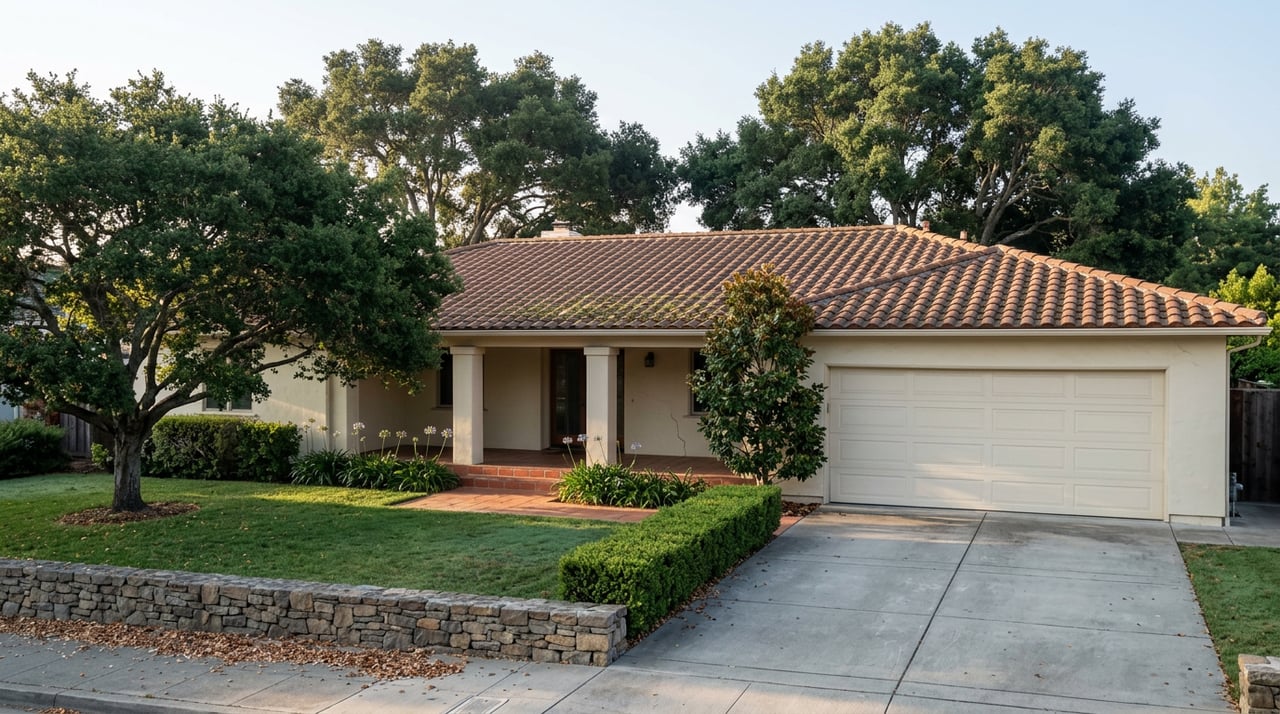
If Craftsman is Pasadena’s signature, Spanish Colonial Revival is one of its most compelling alternatives. The city ties this style to the period after the 1915 Panama-California Exposition and describes it as a design language built from plaster, tile, wood, and iron.
You will often see low-pitched tile roofs, courtyards or patios, and a strong horizontal feel. In Pasadena, this style was especially common in the 1920s and early 1930s, including in some bungalow court housing.
For buyers, the appeal is easy to understand. Spanish Revival homes often offer warmth, texture, and details that feel difficult to replicate in newer construction. Original stucco, ironwork, tile, and courtyard character can create a strong sense of place.
For sellers, these homes often stand out when they have retained their architectural integrity. In Pasadena, a well-kept Spanish Revival can attract serious attention because buyers are not just purchasing square footage. They are often paying for style, setting, and authenticity.
A practical Pasadena price range for Spanish Revival homes is broad, roughly from the mid-$1 million range into the mid-$4 million range, with estate-scale or architect-significant properties reaching higher. That range is best treated as illustrative, not absolute, because condition, location, lot, and historic status can move value significantly.
Where Spanish Revival often appears
Spanish Revival homes often appear in older west and central Pasadena areas, including pockets such as Prospect Park, the Caltech area, San Rafael Hills, and historic districts like Marguerita Lane and North Pasadena Heights. These are location patterns, not hard boundaries, but they are helpful when you begin your search.
Mid-Century Modern in Pasadena
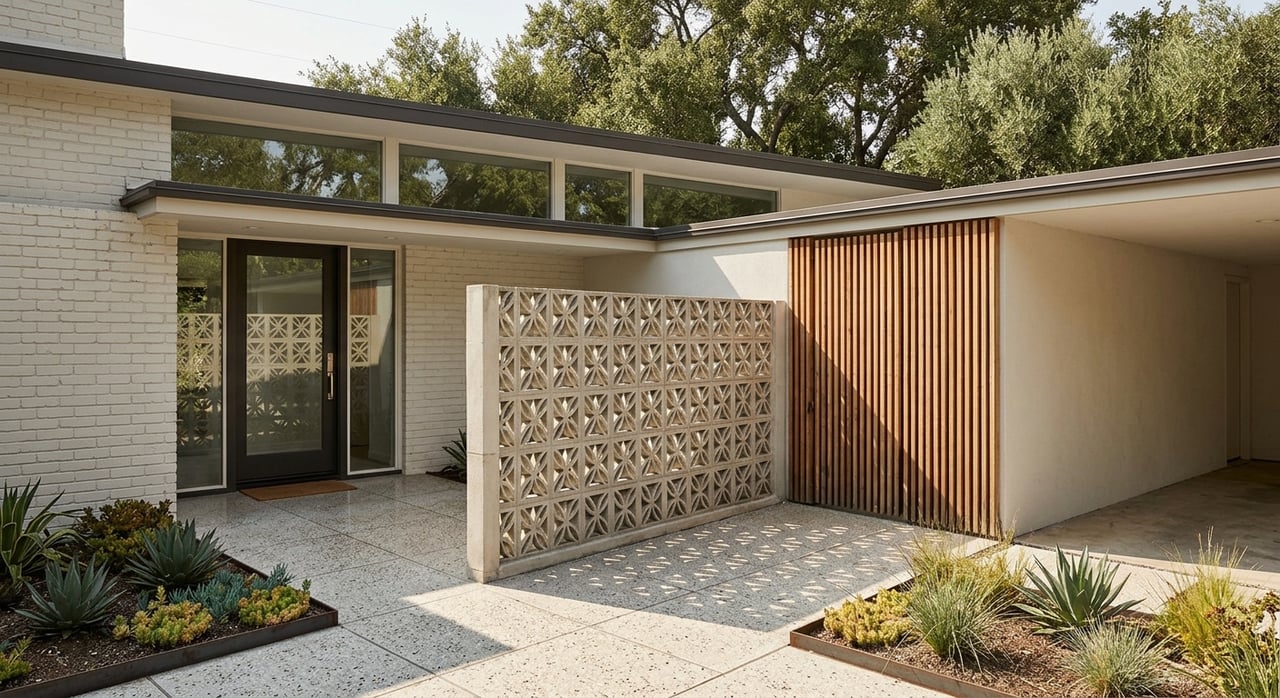
Pasadena also has a strong modernist legacy. The city describes Mid-Century Modern as a post-World War II adaptation of International Style shaped by local climate, topography, and materials.
This is where you see open floor plans, large expanses of glass, and a strong connection between indoor and outdoor living. Pasadena’s local tour materials also highlight how many of these homes were designed for hillside sites, working with the landscape rather than flattening it.
For buyers, that can mean dramatic views, natural light, and a layout that still feels fresh today. For sellers, it means that thoughtful preservation and clean updates often matter more than over-remodeling. Buyers drawn to mid-century design usually notice when the core character has been respected.
Current market signals suggest a broad Pasadena range of about $1.3 million to $4.3 million or more for Mid-Century Modern homes, with standout properties reaching higher. As with every style in Pasadena, architectural pedigree and site can make a meaningful difference.
What to watch with mid-century homes
Mid-century homes often reward careful updates to roofs, glazing, and mechanical systems. Their value is closely tied to open layouts and large window walls, so changes that preserve those features tend to align better with the style.
If you are comparing homes, pay attention to whether updates feel compatible with the original design. A home that keeps its architectural intent often reads differently in the market than one with piecemeal renovations.
Traditional and Colonial Revival homes
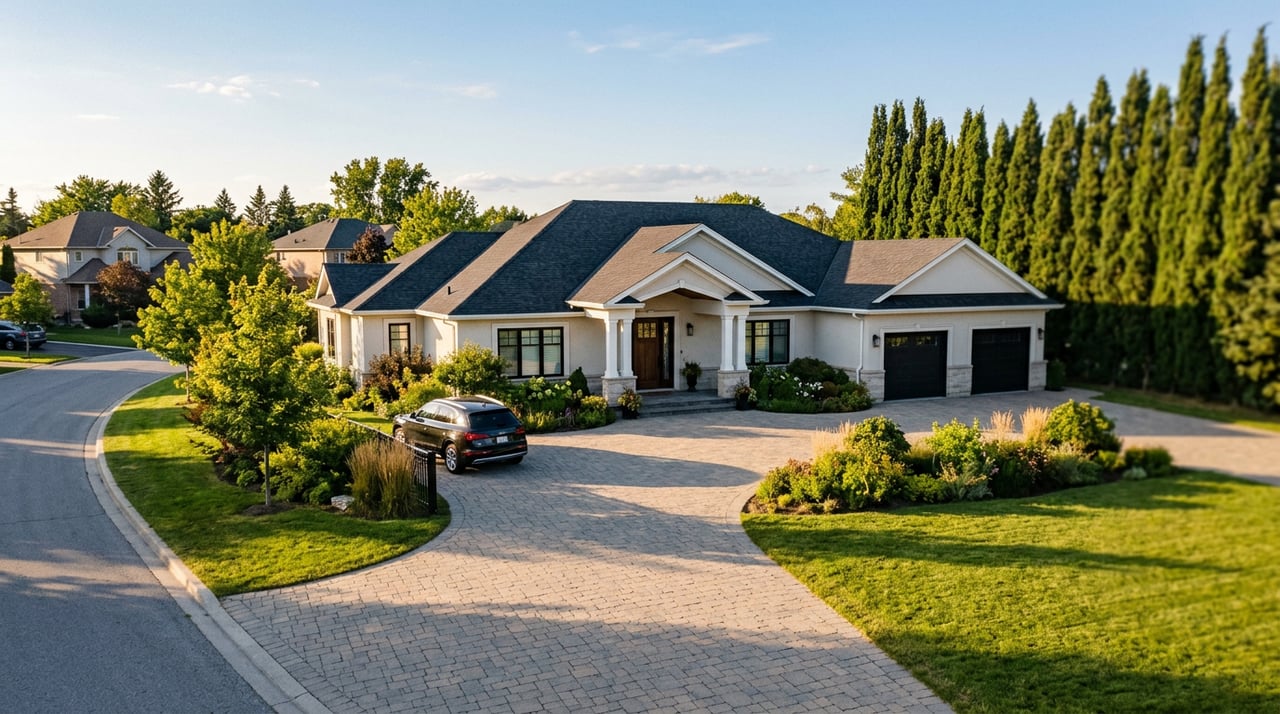
In Pasadena, “Traditional” is less a single style and more a broad umbrella. The city’s materials show that housing from the late 1920s through the 1940s often blends Colonial Revival, Tudor Revival, Spanish Colonial Revival, and later Minimal Traditional forms.
That makes this category useful for buyers who want classic curb appeal and more familiar floor plans. These homes can feel easier to adapt for modern living, especially when compared with more style-specific historic properties.
Colonial Revival homes, in particular, often bring symmetry, formal balance, and a timeless look that continues to resonate in Pasadena. Traditional homes from the postwar period may offer simpler lines and practical layouts that appeal to buyers who want character without quite as much stylistic specificity.
A reasonable local price band runs from the high $1 million range for smaller postwar Traditional homes up into the $3 million to $4 million range for well-updated Colonial Revivals, with estate-scale and architect-designed properties reaching $7 million or more.
Why Traditional homes appeal to many buyers
Traditional homes can be easier to personalize because their layouts are often more conventional. That flexibility can be important if you want architectural character without taking on the constraints that sometimes come with a highly specialized historic style.
Still, district status matters. In designated historic areas, street-visible exterior changes may still require city review regardless of whether the house feels more flexible from a design standpoint.
Contemporary custom homes in Pasadena
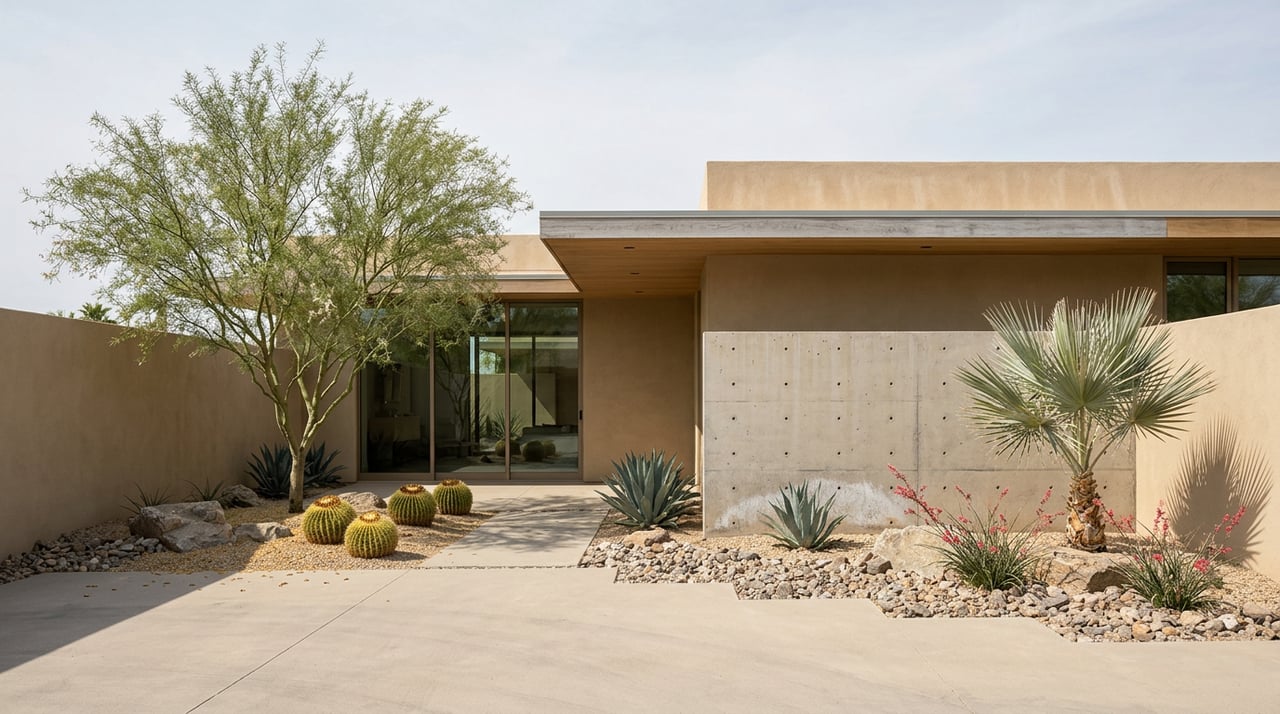
Contemporary custom homes are a different category altogether. In Pasadena, this market is less about a single historic style and more about newer construction, major rebuilds, and site-specific design.
The city’s Pegfair Estates materials describe a contemporary ranch vocabulary with restrained Asian influences, strong indoor-outdoor connections, and a mix of Traditional, Modern, and Contemporary expressions. That gives you a good sense of how Pasadena handles newer design: often refined, site-aware, and shaped by the foothill setting.
For buyers, contemporary custom homes can offer the most flexibility in layout, finishes, and systems. For sellers, these homes can benefit from premium presentation because value at the top end is often tied to finish quality, lot setting, privacy, and views.
A practical current range for Pasadena contemporary custom homes is about $1.25 million to $6 million or more. At the upper end, pricing is often driven less by a style label and more by land, design execution, and overall livability.
How architecture affects value
In Pasadena, style is not just aesthetic. It can directly influence pricing, buyer demand, and how a property is positioned in the market.
The city notes that significance may come from design quality, architect, or contribution to the surrounding area. That means architectural integrity can add real value, especially in a city where buyers often look closely at design history and neighborhood context.
This is one reason presentation and pricing strategy matter so much. When a home has meaningful architectural character, the goal is not to market it like any other listing. It is to identify what truly sets it apart and present that clearly to the buyers most likely to recognize the value.
Renovation and preservation considerations
If you are thinking about updates, Pasadena’s preservation framework is important. The city says landmark district designation does not affect use or sale, but demolitions, exterior alterations visible from the street, and new construction require a Certificate of Appropriateness before a building permit is issued.
The same city guidance says interior work, paint colors, landscaping, solar panels, and routine maintenance are exempt. That distinction is useful because it gives homeowners room to improve livability while still protecting historic character where it is most visible.
The city also says Certificate of Appropriateness review generally adds about two months to permit processing. If you are buying a historic property with renovation plans, that timing should be part of your due diligence.
Style-specific renovation tradeoffs
Spanish Revival homes may command premiums for original stucco, tile, ironwork, and courtyard character, but compatible repairs can be more specialized. Mid-century homes often benefit from disciplined updates to windows, roofing, and systems that support the original open plan.
Traditional homes can be easier to adapt because they typically have more familiar layouts. Contemporary custom homes may offer the most freedom, but they can also carry higher costs for premium materials, hillside engineering, or highly customized finishes.
Historic status and possible tax benefits
For some buyers and owners, Pasadena’s historic preservation system can come with financial upside. The city says owners of designated historic properties may qualify for Mills Act tax reductions.
According to the city, past participants have saved between 20% and 75% on property taxes, averaging around 50%. That does not mean every historic home will qualify, but it is an important question to ask when evaluating ownership costs.
Just as important, the city says its review standards are designed to keep historic character compatible with modern needs rather than forcing full restoration. That is helpful context if you love older homes but worry that ownership means freezing the property in time.
Choosing the right style for you
The best Pasadena home style depends on how you want to live, not just what looks best in photos. Some buyers want historic character and are comfortable with preservation rules. Others want clean lines, open plans, or a layout that can evolve more easily over time.
If you love warmth and detail, Spanish Revival may be the right fit. If light, glass, and indoor-outdoor flow matter most, Mid-Century Modern may speak to you. If you want classic architecture with a more familiar floor plan, Traditional or Colonial Revival may offer the best balance. If your priority is flexibility and newer systems, contemporary custom homes may be worth the premium.
For sellers, understanding your home’s style is just as important. The strongest results often come from positioning the property around the architectural features, setting, and buyer profile most likely to create urgency in Pasadena’s competitive market.
Whether you are preparing to sell a character-rich home or searching for the right fit in Pasadena, working with someone who understands how architecture, pricing, and presentation intersect can make a real difference. If you want a strategic, local perspective on your next move, connect with Chris Reisbeck.
FAQs
What home styles are most common beyond Craftsman in Pasadena?
- In Pasadena, some of the most relevant styles beyond Craftsman are Spanish Colonial Revival, Mid-Century Modern, Traditional or Colonial Revival, and contemporary custom homes.
What makes Pasadena architecture important to home values?
- In Pasadena, architecture can affect value because buyers often consider design quality, architect, historic context, and how well a home contributes to its setting, not just size and bedroom count.
What should Pasadena buyers know about renovating a historic home?
- In Pasadena, exterior changes visible from the street, demolitions, and new construction on designated historic properties generally require a Certificate of Appropriateness, while interior work, paint, landscaping, solar panels, and routine maintenance are exempt.
What is the Pasadena market like for architecturally significant homes?
- In spring 2026, Pasadena was described as a very competitive market, with median or average home values around the low $1.2 million range and homes going pending in about 16 days, while standout architectural homes can command much more.
Can Pasadena historic homes qualify for tax savings?
- Yes, some designated historic properties in Pasadena may qualify for Mills Act tax reductions, and the city says past participants have saved between 20% and 75% on property taxes, averaging around 50%.
Which Pasadena home style is usually easiest to adapt?
- In Pasadena, Traditional homes are often easier to adapt because they tend to have more conventional layouts, though any home in a designated historic district may still face review for street-visible exterior changes.