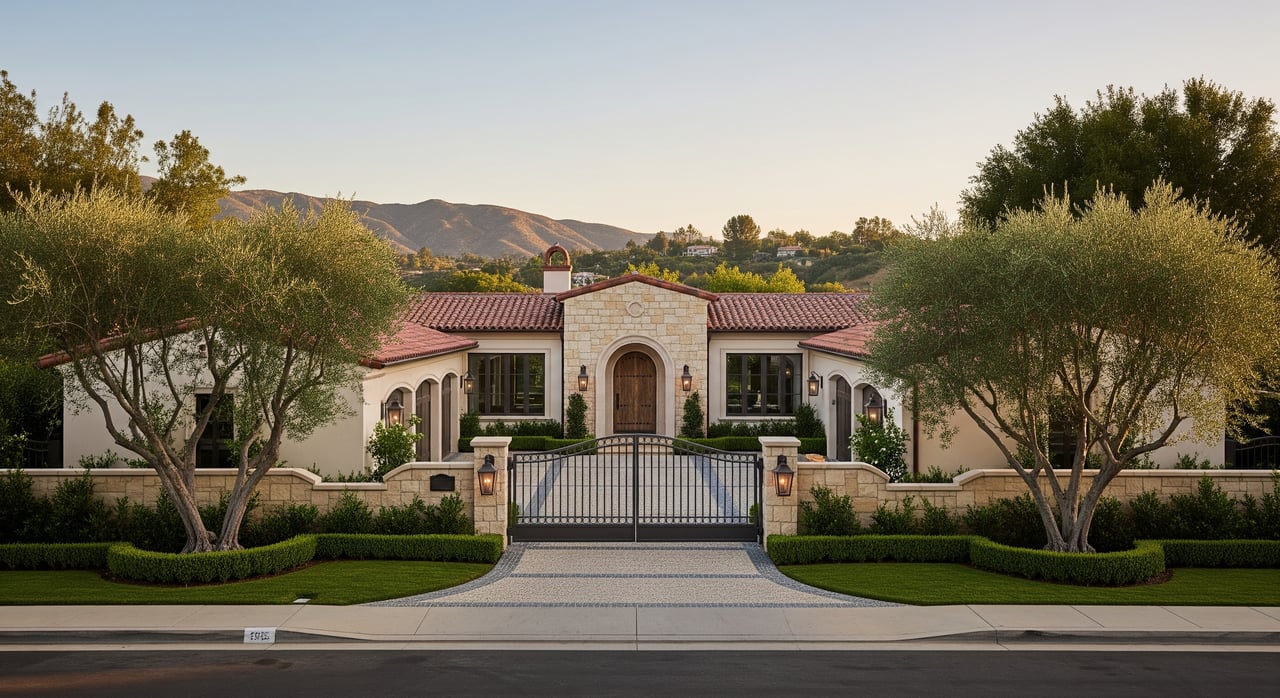
Torn between a short studio commute in Burbank and the larger hillside lots you find in Glendale? If you work in entertainment or want walkable dining with more space at home, the right choice can save you time and money. In this guide you’ll compare price per square foot, lot sizes, architecture, parking, and commute options, plus a simple decision framework to make your move with confidence. Let’s dive in.
At a glance: Glendale vs Burbank
- Glendale: larger city footprint with a mix of walkable downtown living and expansive hillside neighborhoods. More condo options downtown and a wide spread of lot sizes.
- Burbank: smaller, studio-centric city with strong demand near Disney and Warner Bros. Many flat, mid-century single-family blocks close to the Media District and Magnolia Park.
- Core tradeoffs: price per square foot tends to run higher in Burbank, while Glendale offers broader lot sizes and more hillside estates. Commutes to studios are generally shorter from Burbank.
Price per square foot and pricing context
- Glendale single-family: roughly $600 to $800 per square foot, with higher numbers for renovated homes and hillside view properties.
- Burbank single-family: roughly $700 to $950 per square foot, especially near the studios and the Media District.
- Condos and townhomes: typically lower price per square foot than single-family in both cities, though downtown Glendale condos near the Americana and newer Burbank townhomes can approach or exceed single-family norms.
As of recent snapshots, both cities show median single-family sale prices in the low-to-mid seven figures, with Burbank usually a bit higher than Glendale. Price per square foot varies with lot size, renovations, views, and proximity to jobs and transit. Small bungalows can show high per-square-foot pricing due to their compact footprints, while larger estates often show lower per-square-foot numbers despite higher total prices.
Lot sizes and home styles
- Typical flat-lot neighborhoods: many parcels in both cities range from about 3,000 to 7,000 square feet.
- Suburban-scale lots: 7,500 to 12,000 square feet appear in less dense areas, more commonly in parts of Glendale and select Burbank blocks.
- Hillside and estate properties: Glendale’s hillside neighborhoods and the Verdugo foothills offer 12,000 square feet to multiple acres, often with view premiums.
Architecture differs as well. Glendale’s mix includes Craftsman, Spanish Revival, mid-century ranches, Victorian pockets, contemporary hillside builds, and newer infill condos downtown. Burbank features many 1940s to 1960s ranches and bungalows, with Tudor and Spanish Revival pockets around Magnolia Park, plus recent townhouse and infill near commercial corridors.
Parking and zoning essentials
Street parking rules vary by neighborhood. Burbank’s Magnolia Park and downtown corridors include metered and permit areas. Glendale’s downtown and the Americana area lean on paid garages and limited street parking. Flat residential streets in both cities often allow on-street parking, while hillside areas can have limited curb space and steeper driveways.
Older bungalows often have one-car or detached garages. Newer homes more often include two-car garages when lot width allows. California’s ADU laws reduce parking requirements in many cases, but you should confirm whether any ADU on a property is permitted and how it affects parking.
Glendale applies hillside development regulations with slope and geotechnical considerations that can extend permit timelines for major work. Burbank has more uniform single-family zoning across many neighborhoods, with setback and lot coverage rules that still shape additions. If you plan to expand, review city guidance and timelines before you write an offer.
Commute to the studios
From central Glendale around the Americana or Downtown Glendale, Disney and Warner Bros are roughly 4 to 7 miles. Off-peak drives are often 10 to 25 minutes, while peak periods can stretch to 20 to 45 minutes or more. Many buyers run a live test drive at their actual commute time.
From Burbank neighborhoods like Magnolia Park or the Media District, Disney and Warner Bros are a short drive or bike ride for many, typically about 5 to 15 minutes by car. Universal City is usually 10 to 20 minutes from much of Burbank.
Both cities have Metrolink stops and regional bus service, but most studio commutes are still car-dominant or shuttle-based. Traffic on I-5, CA-134, and surface streets creates wide variability, so proximity to your specific studio often wins.
Best fits by priority
- If the shortest, most predictable studio commute is your top priority: Burbank neighborhoods near the studios usually come out ahead.
- If larger lots, view potential, and hillside living appeal to you: Glendale offers a wider selection, including estate-scale parcels.
- If you want walkable retail and dining: both cities provide options. Glendale’s downtown and the Americana create a denser mixed-use core; Burbank’s Magnolia Park and downtown offer a small-city feel.
- If you value renovation potential and mid-century character: many Burbank blocks offer classic ranches and bungalows, while Glendale provides both renovation candidates and luxury hillside rebuild opportunities.
Your decision framework
Rank these in order of importance:
- Maximum commute tolerance in peak traffic.
- Home size and bedroom count.
- Lot size needs for yard, pool, or ADU.
- Preferred architecture and condition.
- Walkability and access to retail or transit.
- School district importance.
- Parking requirements for cars, workshop, or storage.
- Budget and price-per-square-foot sensitivity.
Match the top two or three priorities to the neighborhoods that best deliver them. In competitive segments, be ready to trade size, condition, or proximity to secure the right fit.
Showing-day checklist
- On-site commute test at your target hour.
- Lot and drainage review, especially on slopes and near retaining walls.
- Parking count and rules: garage capacity, driveway space, and street restrictions.
- Zoning and permits: verify ADUs and additions with city records if future work matters.
- Walkability scan: groceries, transit stops, studio access, and daily errands.
- Environmental factors: noise, lighting, and traffic near commercial corridors.
How I help you win in either market
You want a home that fits your life, not just your budget. I pair competitive offer strategy with sharp market reads on price per square foot, lot potential, and commute dynamics so you buy with confidence. With media-forward tours and a curated vendor network, you move fast on the right home and avoid surprises in escrow.
For buyers targeting Glendale or Burbank, I bring targeted search, off-market sourcing when available, and negotiation that prioritizes your outcomes. When the right property appears, we will be prepared with clear comps, risk analysis, and a clean, compelling offer.
Ready to compare Glendale and Burbank with clarity and make a confident move? Reach out to Chris Reisbeck to start your plan.
FAQs
Which city is more expensive per square foot for buyers comparing Glendale and Burbank?
- On average Burbank trends higher per square foot than Glendale, though there is significant neighborhood overlap.
How do typical lot sizes compare in Glendale vs Burbank?
- Flat-lot neighborhoods in both cities often range 3,000 to 7,000 square feet, while Glendale offers more hillside and estate parcels from 12,000 square feet to multiple acres.
What are realistic studio commute times from central Glendale?
- Drives to Disney or Warner Bros are often 10 to 25 minutes off-peak and 20 to 45 minutes or more in peak periods, depending on traffic and route.
Is two-car parking common across Glendale and Burbank homes?
- Many older homes have one-car or detached garages; newer builds more often include two-car garages when lot width allows, and on-street rules vary by block.
Do Glendale or Burbank offer better public transit for studio employees?
- Both have Metrolink and regional buses, but most studio commutes remain car or shuttle based, with proximity to specific studios being the key factor.